

News · 7 Sep 2026
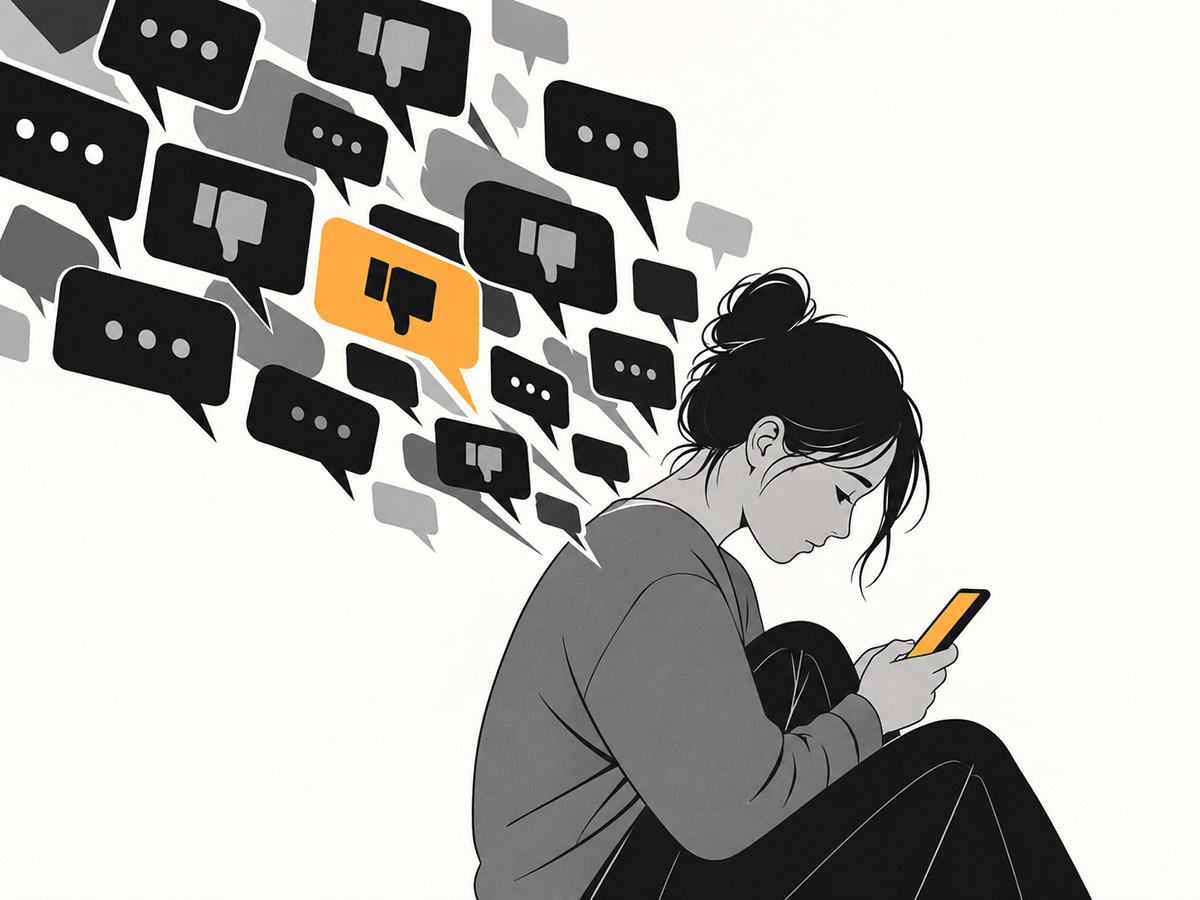
What happens when you switch off the algorithm?
Why choosing a more intentional feed could change our relationship with social media.
Read insight
Evidence-led cyberpsychology · Vol. 01
Screen Sense turns research into clear, honest insight into how technology reshapes attention, identity and behaviour.
Take the free quizDefining the field
Cyberpsychology focuses on how human behaviour, thoughts and emotions are influenced by digital technology including interactions with the internet, social media, online gaming, virtual reality and AI. It explores online identity, cyberbullying, digital addiction and the psychological impact of immersive technology, bridging traditional psychology with the digital world.
76%
feel they spend too much time on their phones.
22%
of NZ teens surveyed met the criteria for problematic social media use.
12%
of young people are at risk of problematic gaming.

Thanks for visiting Screen Sense! I’m Neal, a former professional gamer known as Mirage. I competed internationally, spending thousands of hours in digital environments where focus, performance and screen time were everything.
That experience gave me a front-row view of how powerful digital systems are and how difficult it can be to disengage from them once they become part of daily life.
If you’ve ever felt pulled too far into the screen or wondered why this happens, this is a place to understand the psychology behind it and what can be done next.
Neal Thompson
Digital Psychology Specialist
MSc Health Psychology
Former professional gamer (Mirage)
Current thinking
News · 7 Sep 2026
Why choosing a more intentional feed could change our relationship with social media.
Read insight
News · 28 Aug 2026
The proposed settlement includes major changes to Facebook and Instagram for younger users.
Read insight
News · 31 Jul 2026
Australia’s three-month findings reveal how under-16s and families are experiencing the new rules.
Read insightProblematic internet use can show up in various ways. Take our free, anonymous self-assessment quiz to see if reducing your screen time could be helpful.
QuizThe latest media coverage on digital wellbeing from around the world — screen time, online behaviour and healthier tech habits.
NewsThe latest research on Internet Addiction (IA) and Internet Gaming Disorder (IGD), and why managing screen time matters.
ScienceVideo interviews, documentaries, panels and talks exploring screen-time balance — from real-world stories to expert insights.
WatchBooks offering different lenses on digital wellbeing: the brain’s reward system, social media and self-regulation.
ReadGuest speaker bookings for your next event, podcast or webinar on a range of digital wellbeing topics.
SpeakerAI-powered guide
Describe a question, habit or interest. Our guide maps it to the psychology and points you to the most relevant pathways and insights.
Interactive · Free · No sign-up
Twelve short statements on how screens shape your focus, mood, sleep and play. In about two minutes you'll get an impact score and the one pathway that matters most for you—attention, gaming, social media, AI, wellbeing or digital safety.

Academy of Cyberpsychology
Structured, self-paced courses for curious learners who want to understand digital behaviour from first principles—without fear, hype or jargon.

FOUNDER - DIGITAL PSYCHOLOGY SPECIALIST · EX-PROFESSIONAL GAMER
Neal brings together a rare combination of behavioural science, technology leadership and lived experience at the frontier of digital culture.
Digital habits
We all have our favourite ways to scroll, game or watch online content. Over time, these habits can quietly drain your energy, scatter your focus and affect your wellbeing.
Digital safety
Understand the psychology behind online risks — from scams and manipulation to harassment — and how to navigate them with confidence.
Public Health Communication Centre Aotearoa
22% of teens surveyed met criteria for problematic social media use, characterised by addiction-like patterns such as preoccupation, loss of control and conflict.
BePresent
76% of people believe they spend “too much” time on their phones. 40% of adults spend five or more hours a day on their phone, and 74% who try to cut back struggle to do so.
nib
Time online worried 75% of parents — their number one worry. Yet 50% said they spent too much time on their own devices.
Motu Economic and Public Policy Research
15% of 15-year-olds use the internet for 6+ hours on a weekday outside school. Beyond about two hours, there is no positive association with wellbeing.
Personalised one-to-one support to help you better understand your digital habits and make practical, lasting changes to the way you use technology.