

eports demonstrating modest but significant correlations between heavy social media use (SMU) and poorer mental health in youth have led many to suggest that heavy SMU is culpable. Although many youth may not be harmed by heavy SMU, distressed youth may be particularly vulnerable. The aim of this study was to experimentally examine the effects of reducing SMU on smartphones on symptoms of depression, anxiety, fear of missing out (FoMO), and sleep in youth with emotional distress. A randomized controlled trial was used to assign 220 youth aged 17–25 years to either an intervention or control group. The intervention group was asked to reduce smartphone-based SMU to 1 hr/day for 3 weeks while the control group had no SMU restrictions. SMU was objectively measured daily via tracking systems in smartphones. Mental health and sleep were subjectively assessed at baseline and following the 3-week intervention period. Compared to the control group, the intervention group showed significantly greater reductions in symptoms of depression, anxiety, and FoMO, and greater increases in sleep. No effects of gender were detected. Reducing SMU on smartphones to approximately 1 hr/day may be a feasible, inexpensive, and effective method of increasing sleep and reducing symptoms of depression, anxiety, and FoMO among distressed youth.
Read the full publication on APA PsycNet.
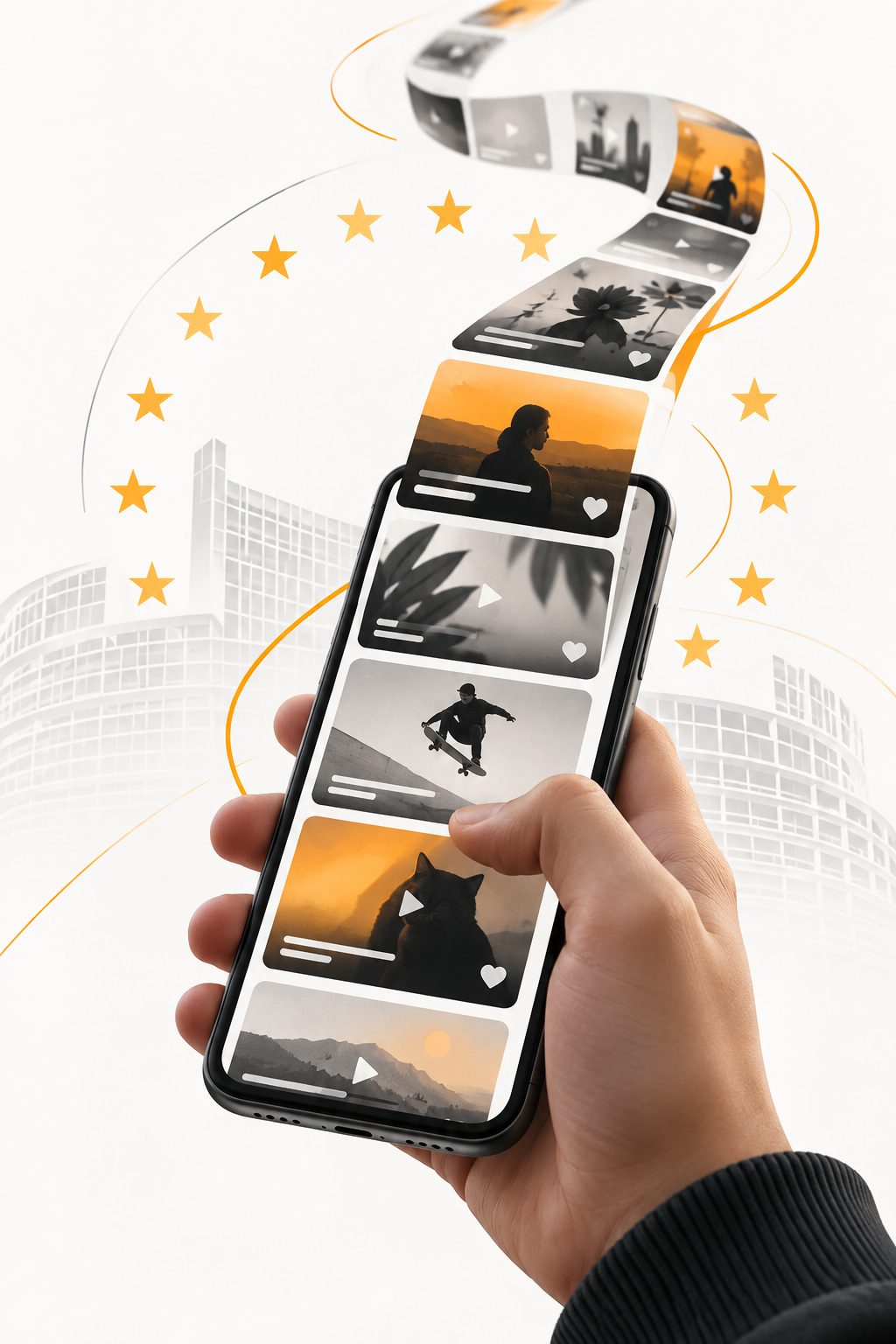
Authorities in the European Union said that the video-sharing platform TikTok is in breach of online content regulations, warning the company to change “addictive” features in order to protect minors from compulsive use.
Read More
In the past few years internet addiction (IA) and internet gaming disorder (IGD) have become very frequent, leading to many personality and psychiatric disorders including low self-esteem, impulsivity, poor sleep quality, mood disorder, and suicide. IA has been included in Appendix III of the Diagnostic and Statistical Manual for Mental Disorders (DSM-5) as IGD. In addition, IA leads to many neuroanatomical and neurochemical alterations including cortical thinning of various components of the brain and altered dopaminergic reward circuitry.
Read More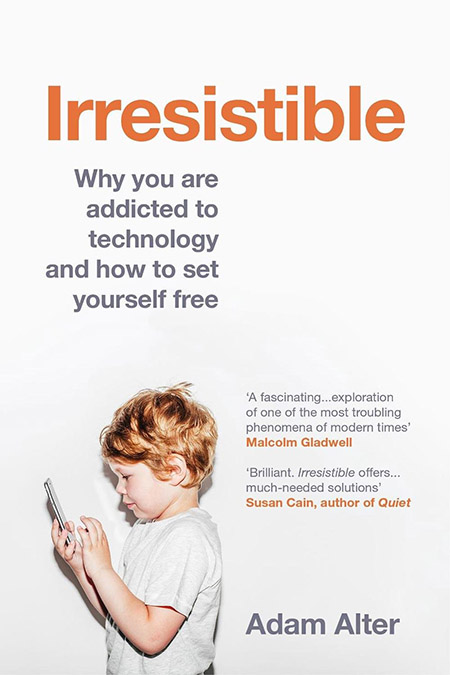
Psychologist Adam Alter provides insight into why we have addiction to technology, explains the science behind why we can't seem to stop such behaviour and offers practical advice for using technology differently, in order to lead a happier life, and to set yourself free.
Read MoreScreen Sense offers personalised one-to-one support to help you better understand your digital habits and make practical, lasting changes to the way you use technology.
Sessions >


