

eta has agreed to pay up to US$18 billion and introduce significant changes to Facebook and Instagram to settle claims that its platforms harmed children and teenagers.
The settlement follows legal action from US states alleging that Meta deliberately incorporated features designed to encourage compulsive use among young people. The states argued that the company failed to adequately disclose the potential risks of its platforms and improperly collected personal information from some children under 13 without parental consent.
Under the agreement, Meta will introduce default daily usage limits and restrictions on overnight access for teenage users. It will also strengthen its age-assurance systems, improve protections against age-inappropriate content and provide parents and guardians with additional supervision tools.
Meta continues to deny wrongdoing and says it already offers numerous safety protections for younger users. Because the case ended in a settlement, the allegations were not tested through a completed trial and the court did not make a final finding that Meta’s platforms caused the reported mental-health harms.
The agreement nevertheless represents an important shift in how social media design is being treated by regulators. Features that maximise engagement, unrestricted nighttime access and inadequate age controls are increasingly being viewed as product-safety issues rather than simply matters of individual self-control or parental responsibility.
Although the financial amount is substantial, it will be paid over several years and is considered manageable relative to Meta’s revenue. The company’s share price rose following the announcement, suggesting investors were relieved that Meta had avoided the possibility of a much larger penalty and a prolonged public trial.
The settlement does not end every case against Meta. The company continues to face lawsuits from families and separate legal actions concerning the effects of its platforms on younger users. TikTok, Snapchat and YouTube are also facing similar scrutiny.
For parents and professionals, the settlement does not prove that social media inevitably harms young people. It does, however, reinforce the importance of age-appropriate design, meaningful boundaries and platform responsibility in reducing the risks associated with problematic social media use.

There's a new addiction in New Zealand - more than a third of Kiwis say they are hooked on their screens and many are blaming Covid for it. As the country enters its second week of lockdown, New Zealanders have been averaging five hours of screen time a day on top of using devices for work and school since the Covid pandemic started last year, a new NortonLifeLock study has found.
Read More
Peter Attia interviews Anna Lembke who is the Chief of the Stanford Addiction Medicine Dual Diagnosis Clinic and author of Dopamine Nation: Finding Balance in the Age of Indulgence. In this episode, Anna dives deep into the biochemistry and neurobiology of addiction, exploring the critical role of dopamine and the prefrontal cortex. She shares her framework for diagnosing and treating addiction, providing real-world examples involving alcohol, gambling, cannabis, social media, and more.
Read More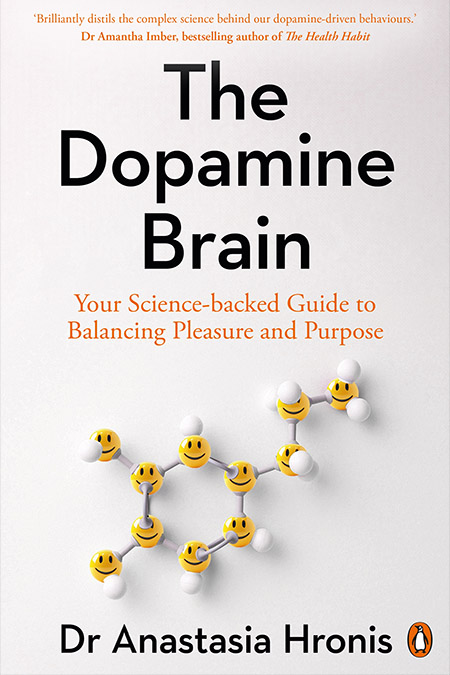
Clinical psychologist and founder of the Australian Institute for Human Wellness Dr Anastasia Hronis lifts the lid on dopamine to help us live by intention, not impulse. A transformative guide to breaking free from impulsive habits and living a more intentional life.
Read MoreScreen Sense offers personalised one-to-one support to help you better understand your digital habits and make practical, lasting changes to the way you use technology.
Sessions >


