
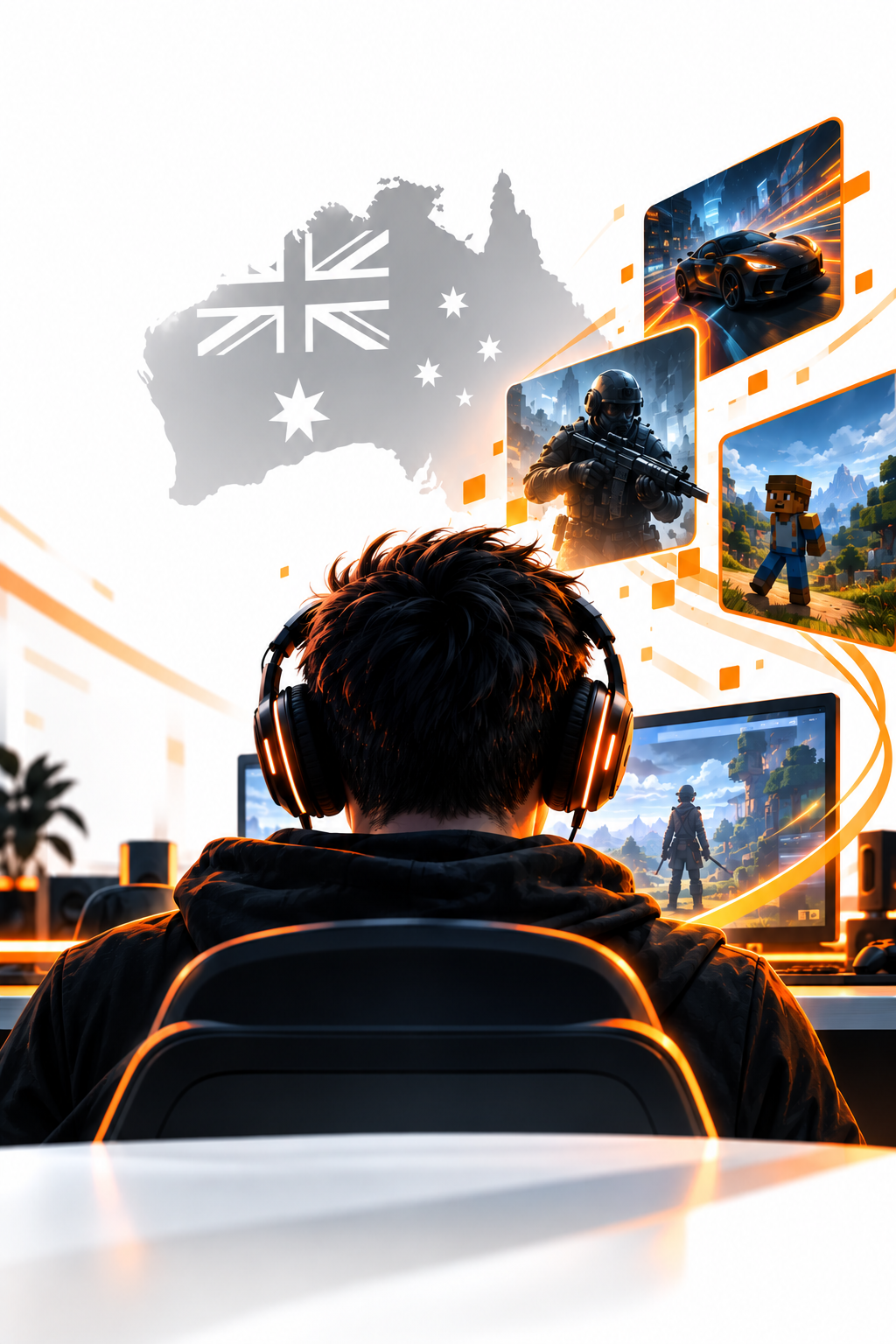
ustralia’s social media restrictions for under-16s have renewed debate about where social media ends and online gaming begins.
While major social platforms are covered by the restrictions, many gaming and gaming-related services remain accessible to younger users. Critics argue this distinction may overlook some of the same risks policymakers are attempting to address through the social media ban.
Online games increasingly incorporate social features including messaging, voice chat, user-generated content and large online communities. Concerns include exposure to harmful content, cyberbullying, contact with strangers and, for a smaller proportion of users, problematic or disordered gaming.
Gaming disorder is recognised by the World Health Organization, although playing video games frequently does not by itself constitute a disorder.
Australia’s rules are based on how platforms are legally classified rather than simply an assessment of whether a service presents potential harm. This means platforms primarily considered gaming services can fall outside the restrictions even when they contain substantial social functionality.
The boundaries are already evolving. Twitch, where gaming and social interaction frequently overlap, was subsequently added to the services covered by the restrictions, while Australian authorities have also been examining platforms such as Roblox.
The debate highlights a broader challenge for online safety regulation: modern digital platforms rarely fit neatly into categories such as “gaming” and “social media.” For young people in particular, gaming can simultaneously be entertainment, a social space and an online community.
Read the full article on BBC.

There's a new addiction in New Zealand - more than a third of Kiwis say they are hooked on their screens and many are blaming Covid for it. As the country enters its second week of lockdown, New Zealanders have been averaging five hours of screen time a day on top of using devices for work and school since the Covid pandemic started last year, a new NortonLifeLock study has found.
Read More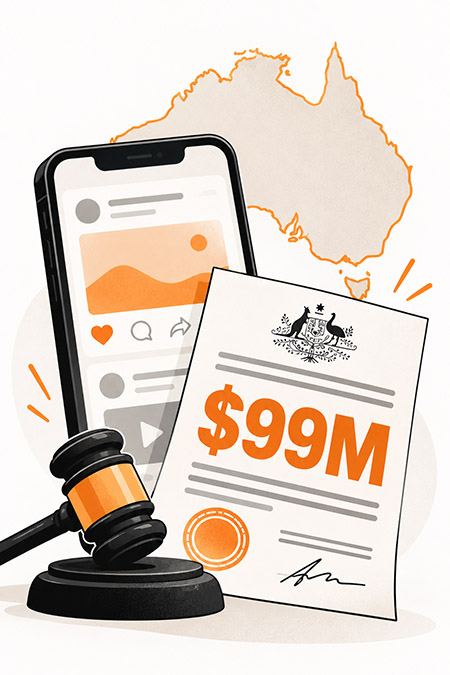
Australia is strengthening enforcement of its social media minimum-age law, with the maximum penalty for platforms that fail to comply set to double to A$99 million. The changes will also give Australia's eSafety Commissioner greater powers to require social media companies to provide evidence showing what they have done to comply with the law.
Read More
The field of internet addiction has experienced significant debates on conflicting epidemiology. This meta-analysis investigated the prevalence rates of generalized internet addiction (GIA) and internet gaming disorder (IGD).
Read MoreScreen Sense offers personalised one-to-one support to help you better understand your digital habits and make practical, lasting changes to the way you use technology.
Sessions >


