

hai, H., Davis, C. G., Mahboob, W., Perry, S., Adams, A., & Goldfield, G. S. (2024). Reducing social media use improves appearance and weight esteem in youth with emotional distress. Psychology of Popular Media, 13(1), 162–169.
A brief 4-week intervention using screen time trackers showed that reducing social media use (SMU, experimental group) yielded significant improvements in appearance and weight esteem in distressed youth with heavy SMU, whereas unrestricted access to social media (control group) did not. Reducing SMU is a feasible method of producing a short-term positive effect on body image among a vulnerable population of users and should be evaluated as a potential component in the treatment of body image-related disturbances.
Adolescence and young adulthood are vulnerable periods in which mental health challenges often emerge. Cross-sectional research has shown that high social media use (SMU) is associated with poor body image in youth, a known predictor of eating disorders; however, high-quality experimental evidence is scarce, limiting the ability to make causal inferences. The present study experimentally examined the effects of reducing smartphone SMU on appearances and weight esteem in youth with emotional distress. A randomized controlled trial was conducted where 220 participants (17–25 years; 76% female, 23% male, and 1% other) were assigned to either an intervention (SMU limited to 1 hr/day) or control (unrestricted access to SMU) group. SMU was monitored via screen time trackers and submitted daily during 1-week baseline and 3-week intervention periods. Baseline and post-intervention measurements were taken to assess changes in appearance and weight esteem. Compared to the controls, the intervention group yielded significant increases in both appearance (p< .022) and weight esteem (p< .026). The intervention group significantly increased in appearance esteem (from M = 2.95 to 3.15, p< .001, dz = 0.33) and weight esteem (from M = 3.16 to 3.32, p< .001, dz = 0.27), whereas the control group did not significantly change (appearance: M = 2.72 to 2.76, p = .992, dz = 0.13; weight: M = 3.01 to 3.02, p = .654, dz = 0.06) from baseline to post-intervention. No effects of gender were detected. Findings suggest that reducing SMU on smartphones may be a feasible and effective method of improving body image in a vulnerable population of youth.
Thai, H., Davis, C. G., Mahboob, W., Perry, S., Adams, A., & Goldfield, G. S. (2024). Reducing social media use improves appearance and weight esteem in youth with emotional distress. Psychology of Popular Media, 13(1), 162–169. https://doi.org/10.1037/ppm0000460
Read the full article on APA PsycNet.

In the past few years internet addiction (IA) and internet gaming disorder (IGD) have become very frequent, leading to many personality and psychiatric disorders including low self-esteem, impulsivity, poor sleep quality, mood disorder, and suicide. IA has been included in Appendix III of the Diagnostic and Statistical Manual for Mental Disorders (DSM-5) as IGD. In addition, IA leads to many neuroanatomical and neurochemical alterations including cortical thinning of various components of the brain and altered dopaminergic reward circuitry.
Read More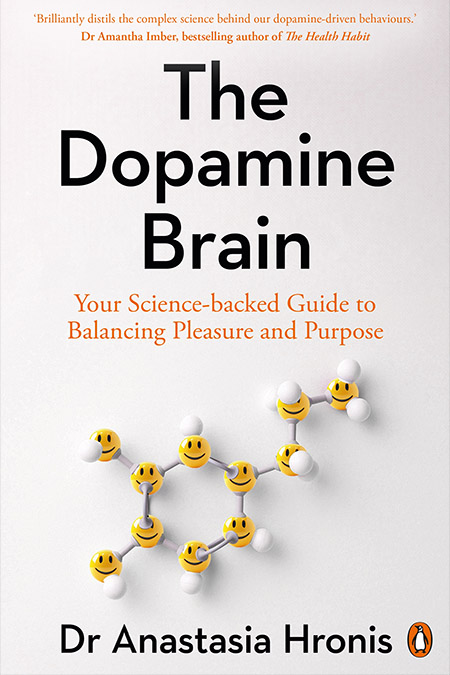
Clinical psychologist and founder of the Australian Institute for Human Wellness Dr Anastasia Hronis lifts the lid on dopamine to help us live by intention, not impulse. A transformative guide to breaking free from impulsive habits and living a more intentional life.
Read More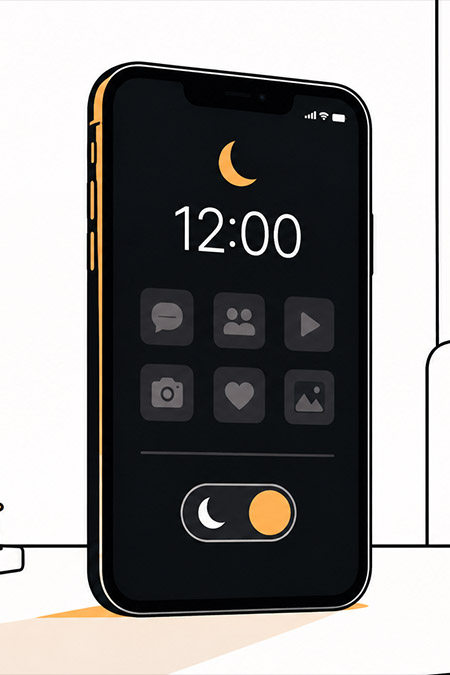
The UK government has proposed new measures aimed at reducing late-night social media use among teenagers aged 16 and 17. Under the proposal, platforms such as Instagram, TikTok and YouTube would be unavailable by default between midnight and 6am for users in this age group. Teenagers would still be able to change their settings and opt out of the restriction.
Read MoreScreen Sense offers personalised one-to-one support to help you better understand your digital habits and make practical, lasting changes to the way you use technology.
Sessions >


