

or many years, parents have raised concerns that their children might be addicted to video games.
The emergence of Fortnite and other online games has since seen gaming addiction in young children and teens spiral.
Now, the World Health Organisation (WHO) has officially added video game addiction — characterised by "a pattern of persistent or recurrent gaming behaviour" that "takes precedence over other life interests" — to their International Classification of Diseases (ICD) database.
Read the full article on NZHerald.

Dr Anna Lembke is Professor of Psychiatry at Stanford University School of Medicine and chief of the Stanford Addiction Medicine Dual Diagnosis Clinic. She is the author of bestselling books such as, ‘Dopamine Nation: Finding Balance in the Age of Indulgence’.
Read More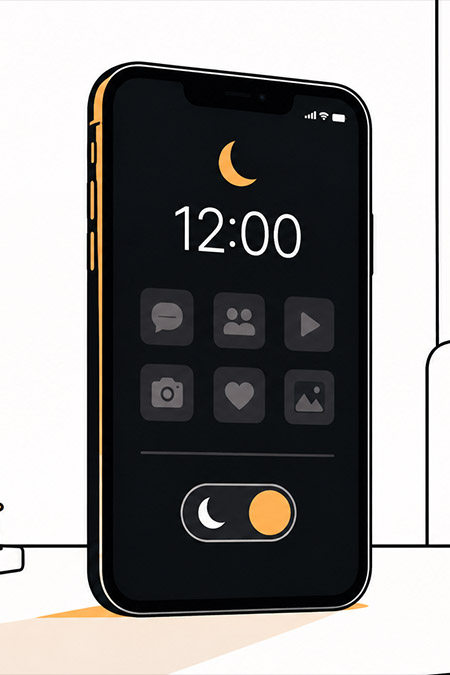
The UK government has proposed new measures aimed at reducing late-night social media use among teenagers aged 16 and 17. Under the proposal, platforms such as Instagram, TikTok and YouTube would be unavailable by default between midnight and 6am for users in this age group. Teenagers would still be able to change their settings and opt out of the restriction.
Read MoreScreen Sense offers personalised one-to-one support to help you better understand your digital habits and make practical, lasting changes to the way you use technology.
Sessions >


