

he aim of this study was to identify problematic gaming behavior among Finnish adolescents and young adults, and evaluate its connection to a variety of psychological, social, and physical health symptoms.
This cross-sectional study was conducted with a random sample of 293 respondents aged from 13 to 24 years. Participants completed an online survey. Problematic gaming behavior was measured with the Game Addiction Scale (GAS). Self-reports covered health measures such as psychological health (psychopathological symptoms, satisfaction with life), social health (preferences for social interaction), and physical health (general health, Body Mass Index [BMI], body discomfort, physical activity).
Problematic gaming behavior was found to relate to psychological and health problems, namely fatigue, sleep interference, depression and anxiety symptoms. Multiple linear regression indicated that the amount of weekly gaming, depression and a preference for online social interaction predicted increased problematic gaming symptoms.
This research emphasized that problematic gaming behavior had a strong negative correlation to a variety of subjective health outcomes.
Download the PDF article on AKJournals.

Although many youth may not be harmed by heavy SMU, distressed youth may be particularly vulnerable. The aim of this study was to experimentally examine the effects of reducing SMU on smartphones on symptoms of depression, anxiety, fear of missing out (FoMO), and sleep in youth with emotional distress. Compared to the control group, the intervention group showed significantly greater reductions in symptoms of depression, anxiety, and FoMO, and greater increases in sleep.
Read More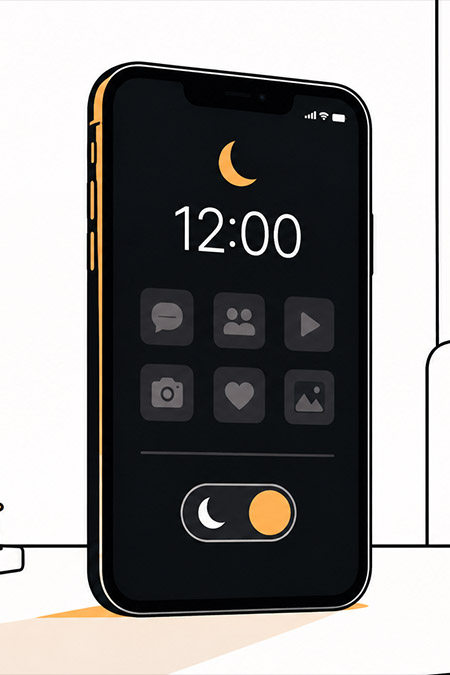
The UK government has proposed new measures aimed at reducing late-night social media use among teenagers aged 16 and 17. Under the proposal, platforms such as Instagram, TikTok and YouTube would be unavailable by default between midnight and 6am for users in this age group. Teenagers would still be able to change their settings and opt out of the restriction.
Read More
This systematic review synthesised evidence on the influence of social media use on depression, anxiety and psychological distress in adolescents. All domains correlated with depression, anxiety and psychological distress.
Read MoreScreen Sense offers personalised one-to-one support to help you better understand your digital habits and make practical, lasting changes to the way you use technology.
Sessions >


