

nternet Use Disorders (IUDs) are emerging as a societal challenge. Evidence-based treatment options are scarce. Digital health interventions may be promising to deliver psychological treatment to individuals with IUDs directly in their online setting. The aim of this study was to evaluate the efficacy of a digital health intervention for IUDs compared to a waitlist control group (WCG).
In a two-armed randomized controlled trial, N = 130 individuals showing IUDs (Internet Addiction Test; IAT ≥49) were randomly allocated to the intervention group (IG; n = 65) or WCG (n = 65). The intervention consisted of 7 sessions based on cognitive behavioral therapy. The primary outcome was IUD symptom severity measured via the IAT at post treatment 7 weeks after randomization. Secondary outcomes included IUD symptoms (Compulsive Internet Use Scale; CIUS), quality of life, depressive and anxiety symptoms, and other psychosocial variables associated with IUDs.
Participants were on average 28.45 years old (SD = 10.59) and 50% identified as women, 49% as men, and 1% as non-binary. The IG (n = 65) showed significantly less IUD symptom severity (IAT) (d = 0.54, 95% CI 0.19–0.89) and symptoms (d = 0.57, 95% CI 0.22–0.92) than the WCG (n = 65) at post-treatment. Study attrition was 20%. Effects on all other secondary outcomes were not significant. On average, participants completed 67.5% of the intervention.
A digital health intervention could be a promising first step to reduce IUD symptom severity.
Read the full article on AKJournals.

As this 60 Minutes report discovers, you can have too much of a good thing. What's being called “Internet Addiction Disorder” is ruining lives and even changing the way our brains process information. Worse still, experts are seeing dangerous signs in toddlers.
Read More
Authorities in the European Union said that the video-sharing platform TikTok is in breach of online content regulations, warning the company to change “addictive” features in order to protect minors from compulsive use.
Read More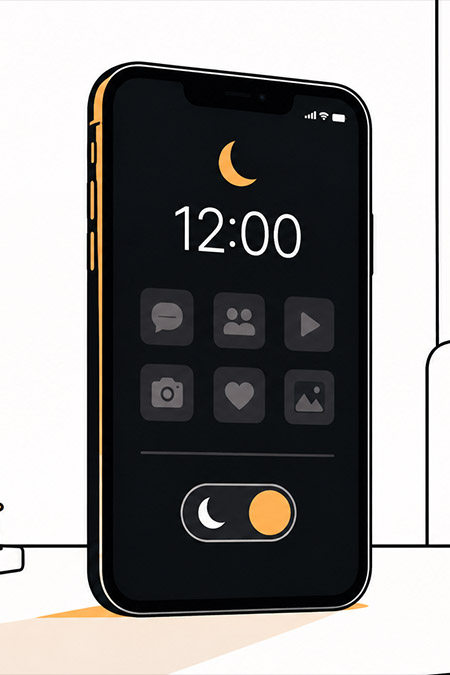
The UK government has proposed new measures aimed at reducing late-night social media use among teenagers aged 16 and 17. Under the proposal, platforms such as Instagram, TikTok and YouTube would be unavailable by default between midnight and 6am for users in this age group. Teenagers would still be able to change their settings and opt out of the restriction.
Read MoreScreen Sense offers personalised one-to-one support to help you better understand your digital habits and make practical, lasting changes to the way you use technology.
Sessions >


